From the Hotel & Restaurant Desk
This category gathers posts on places to sleep and eat, from city hotel scenes to resort features and the small design touches, like menu covers, that shape a restaurant visit.
Recent Features
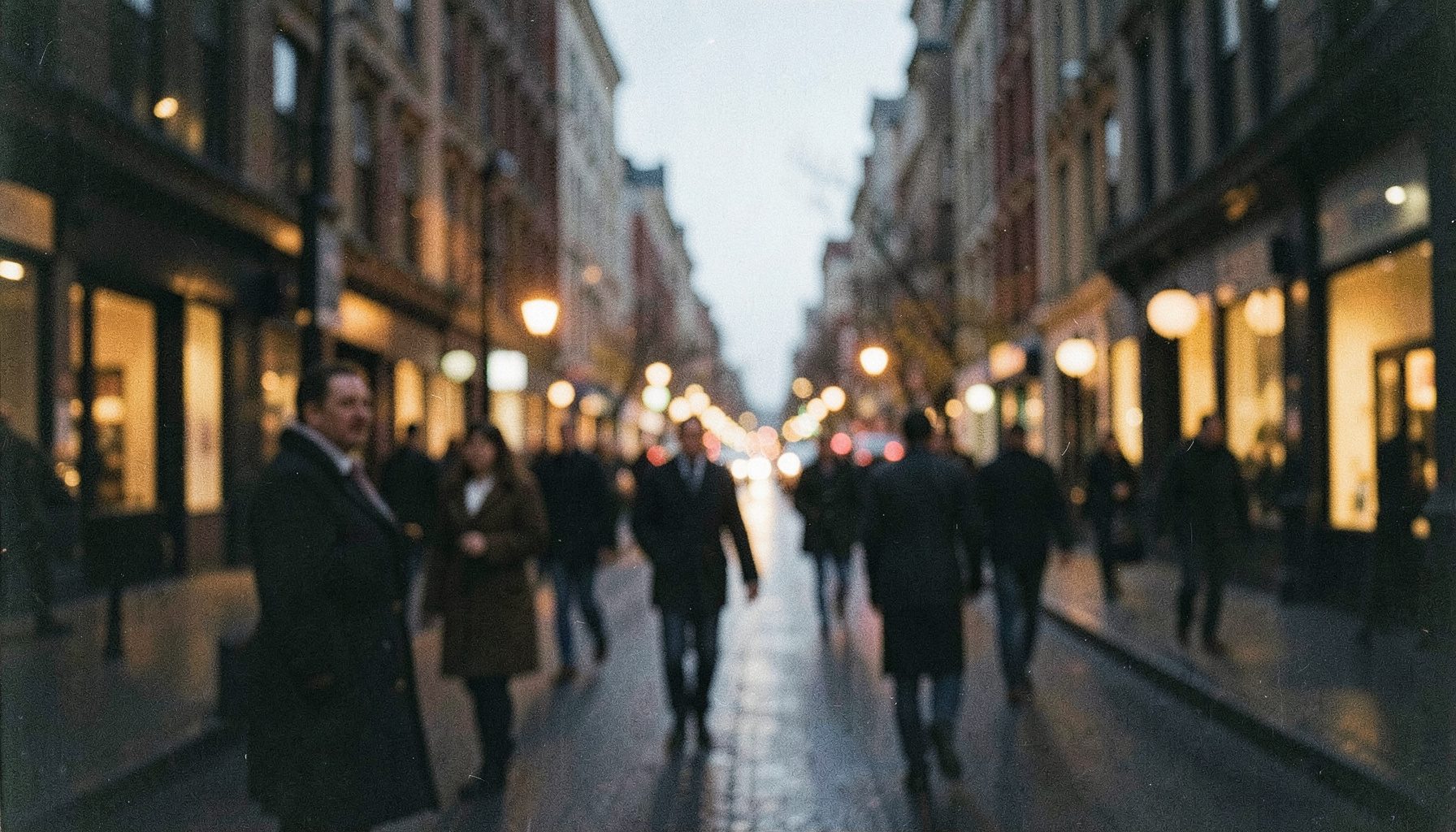
London at Night: Five Great Ways to Spend an Evening in the Capital
Kelly Passarelly's piece looks at how to spend an evening out in London, pairing the city's after-dark character with ideas for where to go.
Featured Luxury Resorts at Classic Holidays
A look at resort options under the Classic Holidays banner, covering what makes certain luxury stays stand out for travelers planning a getaway.
Experience the Revelry of Thanksgiving in New York at Times Square Hotels
A post on the Thanksgiving atmosphere around Times Square and the hotels positioned near the holiday crowds and festivities.
Tips to Make Appealing Menu Covers
Practical pointers for restaurants on designing menu covers that catch a diner's eye before the food even arrives.
A Table, A Book, A Pause

Good accommodation and dining coverage is as much about mood as it is about amenities. These posts try to capture both: the practical reasons a hotel or restaurant works, and the atmosphere that makes a stay memorable.
City hotels and resort stays often reveal themselves through small details rather than grand gestures, from the texture of a lobby reading nook to the way a breakfast room fills with morning light. A well-placed concierge desk, a thoughtfully chosen scent in the corridor, and clear signage can quietly shape how a guest settles into an unfamiliar place. Even the choice of menu covers or the rhythm of a restaurant's service flow sends subtle signals about the standards a property holds itself to. When travelers learn to notice these touches, ordinary stays begin to feel more composed and easier to navigate.
Spending an evening in a capital city rewards a loose plan and a curious attitude, since the best moments often arrive after the daytime crowds thin. Rooftop bars with wide views, riverside walks lit by old streetlamps, late openings at smaller galleries, and tucked-away neighborhood pubs each offer a different mood for after-dark wandering. Pairing a landmark view with a quiet local stop tends to create a balanced night, avoiding the feeling of rushing between famous sites. Choosing where to linger matters as much as ticking off the obvious highlights, and a relaxed pace leaves room for conversation, reflection, and the kind of memory a city only gives away once.
Luxury resorts tend to stand out through consistency rather than spectacle, drawing guests back with dependable service and well-considered facilities. Good design tends to disappear into the experience, freeing visitors to focus on the setting, the weather, and the company they keep. Features like attentive housekeeping, balanced pools and gardens, varied dining options, and clear activity schedules give a resort its underlying rhythm. Travellers comparing options often look past glossy brochures and pay closer attention to smaller cues: how staff greet returning guests, how flexible booking changes are handled, and whether the property communicates clearly before arrival. These quiet signals frequently reveal more than any list of amenities ever could.
Eating well while travelling often comes down to local habits rather than famous names, and a little preparation can transform an ordinary meal into a highlight of any trip. Markets, family-run kitchens, and neighborhood bistros usually serve dishes that reflect the surrounding community more honestly than polished tourist venues. Looking at what locals order, asking modest questions about regional specialties, and stepping away from the most photographed streets tends to lead to richer meals and fairer prices. Pairing restaurant choices with the day's walking route keeps plans practical. Over time, returning travelers tend to build a personal map of trusted places, and that quiet knowledge often defines what makes a destination feel familiar.